
Choose HometownFirst if you want a local business directory where nearby customers search for businesses, specials, and events; choose Nextdoor if you want your business involved in neighborhood recommendations and conversations. In 2026, the deciding question is whether you need a searchable listing or a place to participate in your community’s discussions.
- HometownFirst vs Nextdoor comes down to local business discovery versus neighborhood conversation.
- Choose the directory for location-based listings, business specials, and events.
- Choose Nextdoor for neighbor recommendations and community discussions.
- Compare subscription listings with business pages and optional advertising, not promised customer counts.
Why this matters
A local directory and a neighborhood social network do different jobs. Someone searching for a nearby shop has a different task from someone asking neighbors who they recommend. Your business needs to meet that person’s task, not simply appear on another platform.
For your 2026 marketing plan, separate being findable from being discussed. A searchable profile gives customers a place to look up your business. A neighborhood conversation gives residents a place to exchange experiences and recommendations. Neither replaces the other, and neither guarantees a sale.
Before choosing, write down the customer action you want: a visit, an inquiry, an event attendee, or a recommendation. That action gives you a useful way to judge the platform after you start using it.
At a glance
| Dimension | HometownFirst | Nextdoor |
|---|---|---|
| Best for | Independent businesses seeking location-based directory discovery | Businesses seeking neighborhood recommendations and participation |
| Discovery | Customers search for local businesses by location | Residents discover businesses through recommendations, business pages, and neighborhood activity |
| Standout feature | Business profiles with specials and events | Neighborhood conversations and recommendations |
| Recommendations | A directory listing presents the business’s own information | Neighbors can discuss and recommend businesses |
| Shopper experience | Directory browsing without selling consumer information or subsequent unsolicited ads | A neighborhood social network that includes business information and advertising |
| Ongoing work | Keep profile details, specials, and events current | Keep business information current and participate where relevant |
| Pricing model | Monthly subscription listings | Business pages with optional paid advertising |
| Local fit | Local restaurants, retail stores, and service businesses | Businesses whose customers participate in neighborhood conversations |
The table describes the role of each platform, not a ranking of audience size or customer results. Use it to decide which job needs attention in your business. A missing listing and an unanswered neighborhood recommendation request are different problems.
HometownFirst wins for directory-first discovery
HometownFirst is best for independent businesses that want location-based discovery through a local business directory. Its purpose is to help people search for businesses nearby, while owners maintain profiles and share specials and events.
That makes it a clear fit when your main need is presenting useful business information to someone already looking locally. A restaurant, retail shop, or service business can use a directory profile as a destination for that search. The customer does not need to begin by asking a neighborhood group for suggestions.
Nextdoor also supports business discovery, but its neighborhood setting adds another route: residents asking questions, sharing experiences, and recommending providers. Choose that route when being part of those conversations is the job you want the platform to perform.
The directory’s strength is its focus. Its limitation is equally important: a listing is not a conversation strategy. If your goal is to hear what residents are asking or to participate in local discussions, a directory subscription alone does not perform that job.
For a 2026 decision, start with the gap you can name. Choose directory discovery when customers need a clear place to find your business. Choose neighborhood participation when you need to join the conversations that introduce businesses to residents.
Nextdoor wins for neighborhood conversation
Nextdoor is the better fit when the conversation itself matters. Residents use the platform to discuss neighborhood topics, ask questions, and exchange recommendations. That social context is different from browsing a business directory.
For a business owner, the benefit is not just another profile. It is the opportunity to understand local questions and contribute relevant information. A useful answer to a resident’s question serves a different purpose from a business listing that someone finds through a search.
The tradeoff is attention. Neighborhood discussion is not exclusively about shopping or hiring a service provider. Your business shares that setting with other local topics, so relevance matters more than repeating a promotional message.
A directory’s business specials and events serve a different need: they give shoppers business-specific information to browse. Do not treat an event listing as a substitute for conversation, or a conversation as a substitute for accurate business details.
If you enjoy answering local questions and have someone responsible for participation, Nextdoor fits that work. If nobody can maintain that responsibility, choose a narrower task you can actually keep up with.
Nextdoor wins for neighbor recommendations
A recommendation from a resident and a description written by a business are not interchangeable. Nextdoor is the stronger fit when you specifically want neighborhood recommendations, because resident discussion is part of its purpose.
Customers asking for a plumber, a restaurant suggestion, or a nearby shop are asking other people for judgment. A business profile supplies information; a neighbor’s recommendation supplies someone else’s perspective. Both help a customer decide, but they answer different questions.
The limit is control. Your business controls its own description, not what residents say about it. Participation should therefore focus on helpful answers and accurate information rather than trying to script the conversation.
A directory remains useful when the customer moves from asking for suggestions to checking a business. Think about that handoff: once someone hears your name, can they easily understand what you do and where you serve customers?
For your 2026 plan, keep the distinction clear. Use neighborhood participation for recommendations and directory information for lookup. Do not count a profile view as a recommendation or a recommendation as a confirmed customer.
The directory wins for a browsing-first shopper experience
The client’s directory is designed around finding local businesses, specials, and events. Consumers can browse without their information being sold and without unsolicited ads sent afterward. That is a specific reason to choose it when those conditions matter to your customers.
Nextdoor is a neighborhood social network. Its value comes from community activity alongside business information and advertising, rather than a directory-only experience. Choose it when you want the surrounding neighborhood context, not simply a list of businesses.
Neither experience is the right answer for every shopper. Someone who wants to locate a nearby store has a straightforward lookup task. Someone who wants neighbors’ opinions has a social question. Match the platform to that task instead of assuming every local customer searches the same way.
For business owners, the directory’s focused experience does not prove higher conversion or more visits. It establishes what customers can do there. Judge results through actual inquiries and visits rather than turning the platform’s design into a performance promise.
Both require current information and a clear owner
Neither platform replaces basic upkeep. Your listing or business page should accurately explain what you do, where customers can find you, and how they should take the next step. Outdated information undermines the reason you created the profile.
The work differs. A directory needs current business details, specials, and events. Neighborhood participation also needs someone who can recognize relevant discussions and respond appropriately. Choose the workload you can sustain, not the one that sounds easiest during signup.
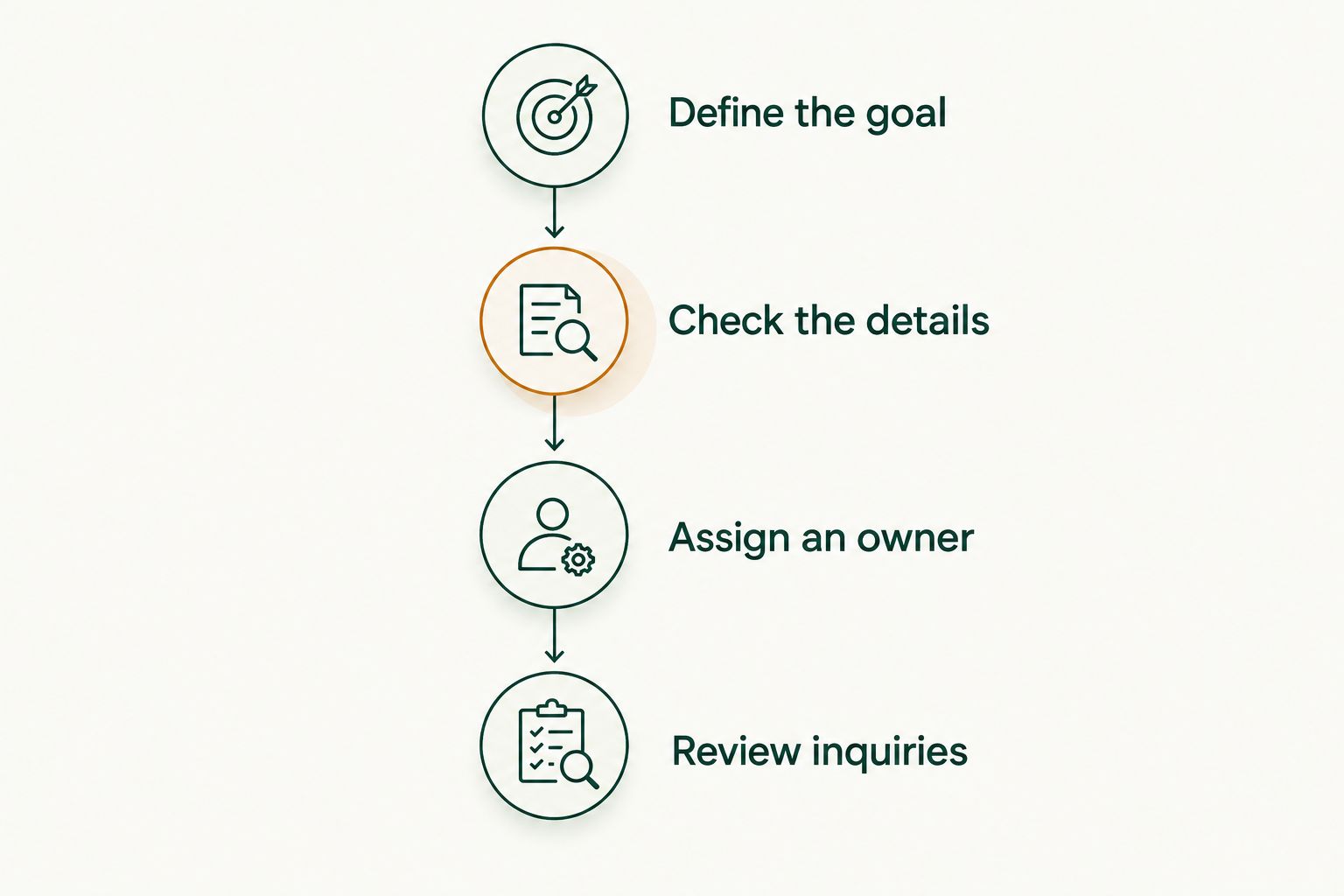
Use this practical setup sequence before adding either channel:
- Define the goal: Name the customer action the platform should support.
- Check the details: Review your business information and remove expired messages.
- Assign an owner: Decide who updates the profile and handles relevant questions.
- Review inquiries: Record what customers say brought them to your business.
Set aside 15 minutes per week as an initial information-checking routine. This is a suggested starting schedule, not a platform requirement or a promise that participation takes only that long. Adjust it to the questions, updates, and events your business actually handles.
Pricing: subscription listings versus optional advertising
The directory uses monthly subscription listings, including a separate subscription structure for additional business locations. Nextdoor offers business pages and optional paid advertising. These are different purchasing decisions: a recurring directory listing versus choosing whether to add advertising to a neighborhood presence.
Choose the subscription model when a recurring directory presence is the service you want to buy. Your decision is whether that listing supports your local discovery goal. Treat it as a defined marketing expense, not as payment for guaranteed customers.
Choose optional advertising when you want to make a separate campaign decision. Keep the business-page role and the advertising role distinct when evaluating Nextdoor. Having a presence and buying additional promotion are not the same activity.
Before committing in 2026, check current terms directly with each platform. Review billing, renewal, cancellation, location coverage, and what work remains your responsibility. Compare the service you are buying rather than assuming both platforms charge for the same thing.
A predictable billing structure does not make customer outcomes predictable. Keep your spending decision tied to the inquiries and customer actions you can observe.
Both serve local businesses, but local fit decides usefulness
Both options connect businesses with people in a local context. The useful tie is local relevance; the difference is how customers encounter your business. One centers on directory discovery, while the other centers on neighborhood activity.
Before choosing, examine the locations where you want customers. Look for relevant business information in the directory and relevant neighborhood questions on Nextdoor. Those checks tell you whether the platform supports your actual task in that area.
Use a 30-day review period as an initial checkpoint, not as a promised time to results. Ask new customers 1 source question: how did they hear about your business? Record the answer alongside the inquiry so your review stays grounded in customer behavior.
Some customers will mention several places. Keep those answers intact instead of forcing every inquiry into a single channel. A recommendation can introduce your business, and a later search can help someone find the details needed to contact you.
Final verdict: choose the job, then the platform
Choose HometownFirst if you need a searchable local listing
Best for: an independent restaurant, retailer, or service business prioritizing location-based directory discovery. Choose it when you want a business profile with specials and events and can maintain that information as part of your monthly marketing work.
The tradeoff is paying for a listing without a guaranteed customer outcome. Make the decision around the directory’s role, then review whether customers use it to find you.
Choose Nextdoor if you want neighborhood participation
Best for: an owner or staff member who can participate in relevant local discussions and respond to neighborhood questions. Choose Nextdoor when resident recommendations and community conversation are central to the work you want to do.
The tradeoff is an ongoing participation task in a setting that includes more than business discovery. Keep contributions useful and relevant rather than treating every discussion as an advertising opportunity.
One-glance scorecard
| Dimension | Winner |
|---|---|
| Directory-first discovery | Local directory |
| Neighborhood conversation | Nextdoor |
| Neighbor recommendations | Nextdoor |
| Browsing-first shopper experience | Local directory |
| Current business information | Tie: both require upkeep |
| Pricing model | Different models, not a universal winner |
| Local relevance | Tie: check your target area |
| Overall fit | Directory for lookup; Nextdoor for participation |
FAQ
Is HometownFirst better than Nextdoor for a small business?
HometownFirst is the better fit for location-based directory discovery; Nextdoor is the better fit for neighborhood discussion and recommendations. Choose according to the customer task you want to support.
What’s the main difference between a local directory and Nextdoor?
A local directory centers on finding businesses, while Nextdoor centers on neighborhood activity and conversation. Nextdoor also includes business pages and advertising.
Which option is better for getting recommendations from neighbors?
Nextdoor is the better fit for neighbor recommendations. Residents can ask questions and share their experiences with local businesses.
Can I use both a directory and Nextdoor?
Yes, you can use a directory for business lookup and Nextdoor for neighborhood participation. Give each channel a clear job and keep your business information consistent.
How should I compare the payment models?
Compare a monthly directory subscription with a business page and optional advertising. Check current terms and separate the role of a listing from the role of a paid campaign.
Will either platform guarantee more customers?
Neither option should be treated as a guarantee of more customers. Track inquiries, visits, and customer source answers to judge whether the channel serves your business.
How do I choose between them in 2026?
Choose directory discovery when customers need to find your business details, and choose Nextdoor when neighborhood conversation is your priority. Assign someone to maintain whichever channel you select.
One last thing
Ask how customers found you before adding another platform. A customer who says a neighbor recommended you has identified a different need from someone who says they searched for a nearby business. Keep that distinction in your notes; it makes the next marketing decision clearer.