
Choose HometownFirst if you want a local business directory built around nearby discovery, specials, and events; choose Yelp if customer reviews are central to how you compare businesses or manage your public reputation. This 2026 comparison separates those jobs so you can choose the right platform without treating a listing, a review profile, and an advertising campaign as the same thing.
- HometownFirst vs Yelp comes down to local discovery versus review-led research, not a universal winner.
- HometownFirst is best for independent businesses seeking local directory listings with specials and events.
- Yelp is best for shoppers comparing customer reviews and owners managing a public review presence.
- Both support local business discovery; neither listing alone guarantees customer inquiries.
Why this matters
A restaurant owner promoting an upcoming event has a different problem from a homeowner checking an electrician's customer reviews. Both involve local businesses. They do not call for the same kind of information.
For your 2026 directory decision, start with the job you need done. Do you need a place to publish what your business offers now, or a place where people can investigate other customers' experiences?
Choose the platform for the customer question it answers. Then decide whether you need both. A directory subscription and a review profile can serve separate purposes without competing for the same task.
At a glance
| Dimension | HometownFirst | Yelp |
|---|---|---|
| Best for | Independent businesses promoting local discovery, specials, and events | Shoppers researching customer experiences; owners managing review profiles |
| Standout feature | Local listings alongside specials and events | Customer reviews alongside business information |
| Customer research | Business-provided information about what is offered | Customer-written accounts, ratings, and photos |
| Local discovery | Search and discovery by location | Search for businesses by location and category |
| Owner responsibilities | Maintain the profile and keep specials and events current | Maintain business details and respond thoughtfully to reviews |
| Consumer experience | Free browsing, no sale of consumer information, and no unsolicited follow-up ads | Review-led business research; examine current privacy settings separately |
| Pricing model | Monthly subscription listings, with additional locations billed separately | Free basic business profiles, with optional paid advertising and features |
| Business outcomes | Judge by relevant inquiries and customer actions | Judge reviews, inquiries, and advertising results separately |
The table describes different uses, not a promise of equal local coverage or customer volume. Before committing time or money, search your own neighborhood and business category. What a customer actually finds matters more than a platform's category label.
The local-first directory wins for specials and events
HometownFirst is best for independent businesses that want a local directory listing for discovery, specials, and events. That is its clearest fit: a business owner publishes information that nearby customers can use to decide where to spend locally.
Consider a shop preparing an in-store event or a restaurant sharing a current special. The useful customer question is what is happening nearby, not just what someone thought about a past visit. A listing that includes specials and events addresses that question directly.
The benefit comes with an owner responsibility. An old special or an event that has already passed is not useful information. Keep your profile current, explain any conditions clearly, and remove information that no longer applies.
Yelp's review-focused experience serves another purpose. A customer deciding whether to try that restaurant can read accounts of previous visits. That is valuable research, but it is a different task from discovering your next event.
Best for: An independent retailer, restaurant, or service business that wants to publish local offerings. The limitation is straightforward: owner-written information does not replace independent customer feedback.
Yelp wins for comparing customer experiences
Yelp is the better choice when your main question is how previous customers describe a business. Its customer reviews, ratings, and photos give shoppers material beyond the business owner's own description.
For an owner, that also creates a public place to understand concerns and answer feedback. You cannot treat it like a noticeboard where every message is yours. Customers contribute to the picture people see.
Read reviews for the details that match your decision. A diner concerned about service should examine comments about service; someone choosing an auto repair shop should look for descriptions relevant to the repair they need. A rating alone cannot tell that whole story.
The drawback is that reviews reflect individual experiences, not a guarantee about your next visit. Check dates, read more than the headline rating, and distinguish a specific complaint from a general expression of frustration.
Best for: A shopper seeking customer-written evidence, or an owner who needs to manage a Yelp review presence. The local-first directory's stated role is discovery, specials, and events; choose Yelp for the review-research job.
Both support local discovery; inspect your neighborhood first
Both platforms support finding local businesses. Neither deserves a blanket win for your town without examining the businesses and information a customer finds there.
Search as a customer in 2026, using your actual location and category. A useful result helps you identify the business, understand what it does, and decide on a next step. A familiar platform name is not enough if the relevant information is incomplete.
For a business owner, use this short comparison:
- Category fit: Does the search match what you actually sell or provide?
- Location fit: Does the business information point customers to the correct location?
- Useful details: Can customers understand the offering without guessing?
- Next step: Is there a clear way to continue researching or contact the business?
This is an honest tie at the platform-purpose level: both are local discovery options. Your own search determines which is useful in your area. Do not turn national familiarity or a local-first mission into an unsupported claim about neighborhood reach.
Both require upkeep, but the work is different
Neither platform is a set-and-forget task. The work differs because the information differs.
For a directory listing, focus on the facts you publish: what your business does, where customers find it, and which specials or events are current. For Yelp, business details matter too, but public feedback adds a separate responsibility.
A review response should address the customer's concern without sharing private customer information. A listing update should remove uncertainty about the business or offering. Both tasks reward clarity; neither needs a long promotional speech.
Set aside a weekly check every 7 days as a working routine, not a platform requirement. Verify current information, remove expired material, and review any customer feedback that needs attention. Assign this work to a named person so it does not disappear between other responsibilities.
Best for both: An owner who will keep information accurate. The tie ends at the workload: publishing specials and responding to reviews are different skills, so choose the responsibility you are prepared to maintain.
The local-first directory wins for the stated browsing promise
HometownFirst states that consumers can browse and search for free, that their information is not sold, and that browsing does not lead to unsolicited ads later. Those are specific reasons to choose it if that consumer experience matters to you.
Keep the comparison narrow. That promise does not establish how Yelp handles every kind of data, account setting, or advertising interaction. Review Yelp's current privacy information before making that separate judgment.
For a shopper, the practical benefit is a clear stated boundary around browsing. For an owner, it aligns the listing with a local-first approach rather than making the consumer's next visit depend on a follow-up advertising campaign.
The limitation remains important: a privacy promise is not evidence that a directory will deliver more inquiries. Judge the consumer experience on its stated terms and business results on the customer actions you can actually identify.
Pricing: a subscription and optional advertising solve different jobs
In 2026, compare the payment models before comparing what you expect them to accomplish. HometownFirst sells monthly subscription listings, with the first business location and additional locations billed separately. Yelp offers free basic business profiles alongside optional paid advertising and features.
The subscription model gives you a recurring listing expense to evaluate. For a business with several locations, count the locations you need represented rather than treating the business as a single listing decision.
Yelp separates a basic presence from optional spending. That lets an owner distinguish maintaining business information from purchasing promotion. Paid advertising introduces its own choices, terms, and measurement responsibilities.
Predictability versus flexibility is the useful comparison. A recurring subscription supports a planned listing budget; optional advertising lets you decide whether to add promotional spending. Neither payment model proves that customers will call, visit, or buy.
Before agreeing to anything, confirm the current billing arrangement, renewal terms, cancellation process, and what the selected service includes. Read those details for the specific offering you choose rather than assuming every account works the same way.
Both need measurement; a listing is not a result
A profile being published is a completed setup task. It is not a customer outcome. For your 2026 decision, define what a useful result looks like before you spend time or money.
Run a 30-day review as an initial management check. This is a suggested observation window, not a promise that either platform will produce results within that period. Keep seasonality and your normal buying cycle in mind when interpreting what happens.
Use the same basic process for both:
- Set the goal: Choose the customer action that matters, such as an inquiry, visit, or event response.
- Check the listing: Confirm that customers see accurate, current information.
- Record inquiries: Ask customers how they found you and record their answers consistently.
- Review results: Separate identifiable customer actions from general exposure.
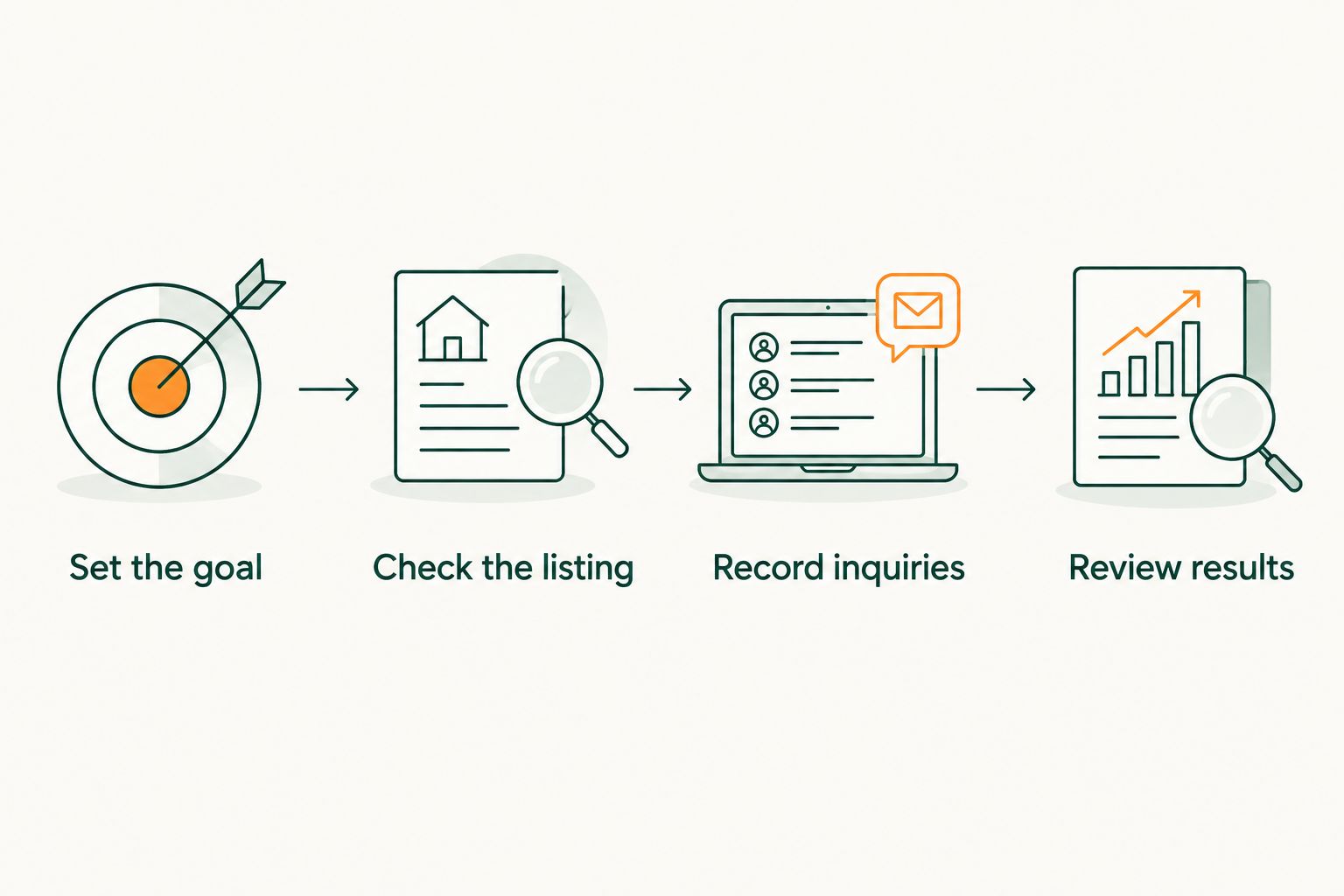
If you use 2 channels, do not automatically credit both for the same inquiry. A customer can encounter your business in several places. Record what you know, leave uncertain attribution uncertain, and keep paid advertising separate from basic profile activity.
This is another tie: both need evaluation. The winner for your business is the channel that serves its intended job with results you can justify, not the one with the most impressive-looking profile.
Final verdict: choose by the customer question
Choose HometownFirst if local offerings are your priority
Named profile: the independent neighborhood business owner. You want nearby customers to discover your business, see your specials, and find your events. You are prepared to maintain that information and evaluate a monthly listing subscription.
The local-first directory is the winner for that brief. Do not buy it expecting a substitute for customer reviews or a guaranteed flow of inquiries. Buy it for the stated listing purpose and judge the results against that purpose.
Choose Yelp if review research is your priority
Named profile: the review-conscious shopper or business owner. You want customer-written experiences to inform a choice, or you need to maintain your business information and respond to Yelp feedback.
Yelp is the winner for that brief. Keep optional advertising as a separate decision rather than assuming a review profile requires an advertising campaign. If both customer questions matter, maintain both presences with distinct responsibilities.
| Dimension | Winner |
|---|---|
| Publishing local specials and events | Local-first directory |
| Comparing customer experiences | Yelp |
| Local discovery | Tie; check your location and category |
| Information upkeep | Tie; different responsibilities |
| Stated browsing privacy promise | Local-first directory |
| Pricing model | Subscription for predictability; optional advertising for flexibility |
| Business outcomes | Tie; evaluate identifiable customer actions |
FAQ
Is HometownFirst better than Yelp for a small business?
HometownFirst is better suited to an independent business seeking local directory discovery with specials and events. Yelp is better suited to review-led research and managing a public customer-review presence. Choose according to the job you need done.
Which platform is better for reading local business reviews?
Yelp is the better choice for reading customer-written local business reviews. Look at relevant details and review dates rather than relying only on the overall rating.
Do I need to pay for Yelp advertising to have a business profile?
Yelp offers free basic business profiles separately from optional paid advertising and features. Treat maintaining your business details and purchasing promotion as separate decisions.
How does the local-first directory charge businesses?
The directory uses monthly subscription listings, with additional business locations billed separately. Confirm current billing and service terms before subscribing.
Can I use a local directory and Yelp together?
Yes, you can use a local directory for business information, specials, and events while using Yelp for a review presence. Give each channel a clear purpose and avoid counting the same inquiry twice.
Which platform will bring my business more customers in 2026?
Neither platform name establishes which will bring your business more customers in 2026. Check relevant local searches and evaluate identifiable inquiries, visits, or other customer actions.
What should I check before choosing a local business platform?
Check location relevance, category fit, current information, and the customer action you want to encourage. Then confirm the payment model and assign responsibility for keeping the profile current.
One last thing
Ask a customer to find your business without sending a direct profile link. Watch where they search, what information they use, and what leaves them unsure. Do not coach them toward your preferred platform.
Fix the unanswered question before adding another listing. If customers cannot tell what you offer or whether an event is current, clearer information is the next move. Another platform does not correct an unclear message by itself.